AI Head-to-Head
Compare The Little Prince vs Wandering in the Himalayas
Which book deserves a spot on your reading list next? Explore our side-by-side comparison of summaries, lessons, and buying options.
Children
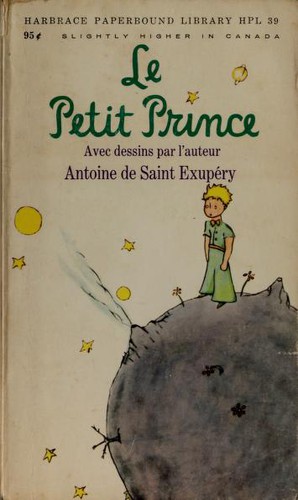
The Little Prince
by Antoine de Saint-Exupéry
★★★★★
5.0
Buy Options
| Pages | 96 |
| Difficulty Level | Beginner |
| Est. Reading Time | 2.4 hrs |
| Publish Year | 1943 |
Uncategorized
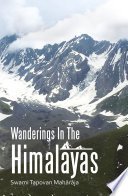
Wandering in the Himalayas
by Sri Swami Tapovanji Maharaj
☆☆☆☆☆
0.0
Buy Options
| Pages | 348 |
| Difficulty Level | Intermediate |
| Est. Reading Time | 8.7 hrs |
| Publish Year | 2018 |
🎯
Who Should Read Which?
Book 1, "The Little Prince," appeals to a very broad audience, from children due to its fable-like nature and whimsical storytelling, to adults who appreciate its deeper philosophical allegories about love, loss, and the true essence of life. Book 2, "Wandering in the Himalayas," targets a more specific adult audience interested in spirituality, Advaita Vedanta philosophy (Upanisads), travelogues of ascetic life, and the culture and geography of the Himalayas. It requires a reader with a predisposition towards spiritual inquiry and philosophical reflection.
💡
Core Takeaway Comparison
The core takeaway from "The Little Prince" is to reconnect with childhood wonder, to understand that 'what is essential is invisible to the eye,' and to value love, friendship, and imagination over superficiality and materialistic pursuits. It's a poignant reminder of our humanity. "Wandering in the Himalayas" offers insights into an authentic spiritual journey, the practical application of Upanisadic philosophy in daily life, and the profound wisdom gained through detachment, meditation, and communion with nature. It’s a guide to self-realization and a deeper understanding of existence from an Eastern philosophical perspective.
✍️
Writing Style & Complexity
"The Little Prince" employs a deceptively simple, poetic, and allegorical style, making profound philosophical statements through a whimsical narrative accessible to all ages. Its brevity and use of parables contribute to its enduring charm and universal appeal. "Wandering in the Himalayas" has a more descriptive, reflective, and philosophical style, integrating complex spiritual concepts and scholarly insights into a personal travelogue. Its language is more formal and demands a contemplative approach from the reader, often delving into abstract spiritual principles.
👑
The Final Verdict
If you are looking for a timeless, heartwarming, and deeply thought-provoking fable that offers universal lessons on love, life, and human nature, start with "The Little Prince." It's a quick, enriching read suitable for any mood. If your goal is to delve into profound spiritual philosophy, experience an authentic ascetic's journey through a unique travelogue, and gain a deeper understanding of Eastern wisdom, then "Wandering in the Himalayas" should be your choice. It's a more challenging and intellectually demanding read, best approached when seeking deep introspection and spiritual learning.