AI Head-to-Head
Compare The 7 Habits of Highly Effective People vs The Subtle Art of Not Giving a F*ck
Which book deserves a spot on your reading list next? Explore our side-by-side comparison of summaries, lessons, and buying options.
Self Help
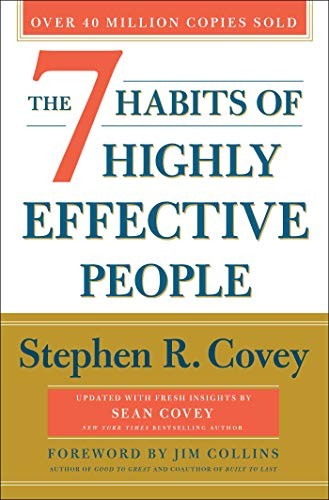
The 7 Habits of Highly Effective People
by Stephen Covey
☆☆☆☆☆
0.0
Buy Options
| Pages | 381 |
| Difficulty Level | Intermediate |
| Est. Reading Time | 9.5 hrs |
| Publish Year | 1989 |

Self Help
The Subtle Art of Not Giving a F*ck
by Mark Manson
☆☆☆☆☆
0.0
Buy Options
| Pages | 224 |
| Difficulty Level | Beginner |
| Est. Reading Time | 5.6 hrs |
| Publish Year | 2016 |
🎯
Who Should Read Which?
Book 1 is ideal for individuals seeking a foundational, structured, and comprehensive approach to personal and professional development, leadership, and productivity. It appeals to those looking for timeless principles to build a more effective life and career, including managers, professionals, and students. Book 2 targets a more modern audience, particularly those disillusioned with conventional 'positive thinking' self-help. It's for individuals seeking a blunt, no-nonsense perspective on resilience, happiness, and choosing what truly matters, often resonating with a younger demographic or those feeling overwhelmed by societal expectations.
💡
Core Takeaway Comparison
Book 1's core takeaway is that true effectiveness comes from aligning one's life with universal principles through proactive habits, prioritizing important tasks, seeking win-win solutions, understanding others first, and continuous self-renewal. Book 2's core takeaway is that happiness isn't about avoiding problems, but about accepting life's struggles, choosing what few things to truly care about, and having the courage to let go of everything else that doesn't serve one's values.
✍️
Writing Style & Complexity
Book 1 is written in a more academic, formal, and structured style, using parables, examples, and detailed explanations to convey its principles. Its language is thoughtful and somewhat philosophical, making it a thorough but potentially denser read. Book 2 employs a conversational, direct, and often irreverent style, utilizing explicit language and humor to deliver its message. It's provocative and challenges traditional self-help narratives, making it a faster, more engaging, and accessible read for many.
👑
The Final Verdict
If your goal is to build a robust, principle-centered foundation for long-term personal growth, leadership, and productivity, start with Book 1. It offers a systematic framework for deep-seated change. If you're feeling overwhelmed, burnt out, or skeptical of traditional self-help, and you prefer a direct, counter-intuitive, and modern approach to developing mental resilience and clarity on what truly matters, begin with Book 2. It's excellent for a quicker mindset shift, especially if you appreciate blunt honesty.