AI Head-to-Head
Compare The Lean Startup vs Sanskrit English Dictionary
Which book deserves a spot on your reading list next? Explore our side-by-side comparison of summaries, lessons, and buying options.
Business
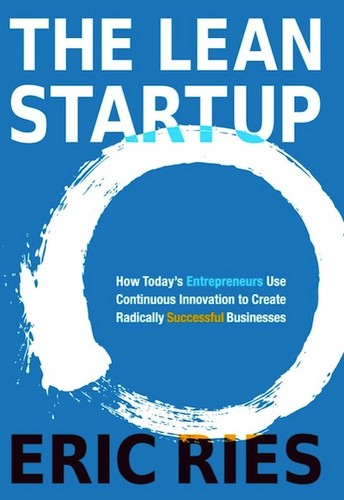
The Lean Startup
by Eric Ries
★★★★★
5.0
Buy Options
| Pages | 336 |
| Difficulty Level | Intermediate |
| Est. Reading Time | 8.4 hrs |
| Publish Year | 2011 |

Uncategorized
Sanskrit English Dictionary
by Monier Monier-Williams
☆☆☆☆☆
0.0
Buy Options
| Pages | 398 |
| Difficulty Level | Intermediate |
| Est. Reading Time | 10 hrs |
| Publish Year | N/A |
🎯
Who Should Read Which?
Book 1, "The Lean Startup," is for entrepreneurs, startup founders, product managers, and innovators looking to build and scale businesses effectively. Book 2, "Sanskrit English Dictionary," is for students, scholars, linguists, and researchers interested in understanding, translating, and studying Sanskrit language, literature, and philosophical texts.
💡
Core Takeaway Comparison
The core takeaway from Book 1 is a methodology for continuous innovation, validated learning, and iterative product development to build sustainable startups. The core takeaway from Book 2 is the ability to accurately understand and translate Sanskrit words and texts, serving as an indispensable linguistic reference tool.
✍️
Writing Style & Complexity
Book 1 is written in a practical, analytical, and instructional style, often incorporating business case studies and conceptual frameworks. Book 2, being a dictionary, is purely referential, systematic, and data-driven, providing concise definitions, grammatical information, and examples without narrative prose.
👑
The Final Verdict
Read "The Lean Startup" first if your goal is to learn about modern business strategies, product development, and entrepreneurial methodologies. Read "Sanskrit English Dictionary" first if your goal is to study the Sanskrit language, translate ancient texts, or engage in academic research related to Indian linguistics and philosophy. The choice depends entirely on whether your interest lies in business innovation or linguistic scholarship.