AI Head-to-Head
Compare The Lean Startup vs Rich Dad Poor Dad
Which book deserves a spot on your reading list next? Explore our side-by-side comparison of summaries, lessons, and buying options.
Business
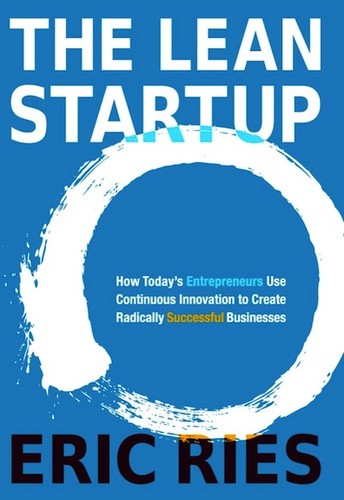
The Lean Startup
by Eric Ries
★★★★★
5.0
Buy Options
| Pages | 336 |
| Difficulty Level | Intermediate |
| Est. Reading Time | 8.4 hrs |
| Publish Year | 2011 |

Finance
Rich Dad Poor Dad
by Robert T. Kiyosaki
★★★★☆
4.0
Buy Options
| Pages | 207 |
| Difficulty Level | Beginner |
| Est. Reading Time | 5.2 hrs |
| Publish Year | 1997 |
🎯
Who Should Read Which?
The Lean Startup is for entrepreneurs, startup founders, product managers, and innovators looking for practical methodologies to build and scale businesses efficiently. Rich Dad Poor Dad targets individuals interested in personal finance, financial literacy, and understanding how to build wealth outside of traditional employment, appealing to a broader audience seeking a mindset shift about money.
💡
Core Takeaway Comparison
The Lean Startup's core takeaway is the importance of validated learning, continuous innovation through MVP (Minimum Viable Product) cycles, and scientific experimentation to reduce risk in building sustainable startups. Rich Dad Poor Dad's core takeaway emphasizes the distinction between assets and liabilities, the importance of financial education, and having money work for you rather than working for money, challenging conventional financial wisdom.
✍️
Writing Style & Complexity
The Lean Startup is more academic, structured, and method-driven, providing frameworks and practical advice with moderate complexity, often using business-specific terminology. Rich Dad Poor Dad employs a conversational, narrative-driven style, using anecdotes and simple language to convey complex financial concepts, making it highly accessible and less complex.
👑
The Final Verdict
If your primary goal is to learn actionable strategies for building and iterating on a business or product in a startup environment, read The Lean Startup first. If you're looking to fundamentally shift your personal financial mindset, understand wealth creation principles, and gain foundational financial literacy before or during your entrepreneurial journey, start with Rich Dad Poor Dad. They address different needs: financial mindset vs. business execution.