AI Head-to-Head
Compare Nanotechnology in Water and Wastewater Treatment vs Heart of the Nation
Which book deserves a spot on your reading list next? Explore our side-by-side comparison of summaries, lessons, and buying options.
Science & Technology
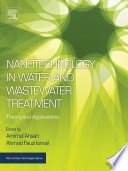
Nanotechnology in Water and Wastewater Treatment
by Amimul Ahsan
☆☆☆☆☆
0.0
Buy Options
| Pages | 409 |
| Difficulty Level | Intermediate |
| Est. Reading Time | 10.2 hrs |
| Publish Year | 2018 |
Science & Technology
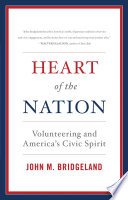
Heart of the Nation
by John M. Bridgeland
☆☆☆☆☆
0.0
Buy Options
| Pages | 193 |
| Difficulty Level | Intermediate |
| Est. Reading Time | 4.8 hrs |
| Publish Year | 2012 |
🎯
Who Should Read Which?
Book 1, "Nanotechnology in Water and Wastewater Treatment," is tailored for a highly specialized audience, including researchers, professionals, postgraduate students in nanotechnology, water treatment, desalination, environmental engineering, and policymakers interested in technical solutions for water management. Book 2, "Heart of the Nation," targets a broad general audience interested in civic engagement, American history, politics, volunteering, social cohesion, and personal development through service. It also appeals to policymakers interested in social programs and community building.
💡
Core Takeaway Comparison
Book 1's core takeaway is that nanotechnology provides unique, effective, and economical solutions for critical global challenges in water and wastewater treatment, detailing various applications, principles, and limitations. Book 2's central message is that America's tradition of volunteer service is essential for personal happiness, fundamental to democracy, and crucial for healing partisan divisions by fostering collective action to address societal needs.
✍️
Writing Style & Complexity
Book 1 employs a technical, academic, and scientific writing style, focusing on detailed principles, practical applications, recent breakthroughs, and limitations. Its complexity is high due to specialized subject matter, making it suitable for expert readers. Book 2, conversely, uses a narrative, inspirational, and persuasive style, often incorporating historical accounts and personal experiences. It is more accessible and engaging for a general readership, with a medium complexity level.
👑
The Final Verdict
If your goal is to gain in-depth technical knowledge and understand the scientific applications of nanotechnology in environmental engineering, specifically water and wastewater treatment, prioritize Book 1. However, if you seek inspiration, a historical perspective on civic duty, and an understanding of how volunteerism can foster social cohesion and address national challenges, start with Book 2.