AI Head-to-Head
Compare The 7 Habits of Highly Effective People vs Epic Heroes in You
Which book deserves a spot on your reading list next? Explore our side-by-side comparison of summaries, lessons, and buying options.
Self Help
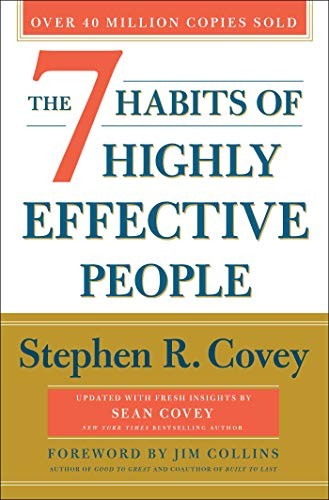
The 7 Habits of Highly Effective People
by Stephen Covey
☆☆☆☆☆
0.0
Buy Options
| Pages | 381 |
| Difficulty Level | Intermediate |
| Est. Reading Time | 9.5 hrs |
| Publish Year | 1989 |

Self Help
Epic Heroes in You
by Dr. Krishna
☆☆☆☆☆
0.0
Buy Options
| Pages | 201 |
| Difficulty Level | Intermediate |
| Est. Reading Time | 5 hrs |
| Publish Year | 2026 |
🎯
Who Should Read Which?
Book 1, "The 7 Habits of Highly Effective People," is for a broad audience seeking universal principles for personal and professional effectiveness, productivity, and leadership. Book 2, "Epic Heroes in You," is primarily for men interested in self-discovery and psychological understanding through the lens of Indian epic heroes, secondarily for women seeking to better understand the men in their lives.
💡
Core Takeaway Comparison
Book 1's core takeaway is that by adopting seven principle-centered habits, individuals can achieve significant personal and professional effectiveness and fulfillment. Book 2's core takeaway is that men can achieve balance, purpose, and authenticity by understanding, acknowledging, and integrating various archetypal traits (virgin, vulnerable, alchemical) inspired by Indian epic heroes, thereby overcoming suppressed vulnerabilities and fostering emotional wholeness.
✍️
Writing Style & Complexity
Book 1 likely employs a structured, principle-based, and prescriptive style, focusing on actionable steps and universal concepts for self-improvement. Book 2 utilizes a narrative, analytical, and culturally specific style, exploring psychological traits through the stories and archetypes of Indian epic heroes, offering an interpretive and diagnostic approach to self-awareness.
👑
The Final Verdict
For readers seeking a widely applicable, structured framework for general personal and professional development, begin with Book 1. For male readers (or women seeking to understand men) interested in a deeper, archetypal, and culturally specific (Indian Epics) psychological exploration of self, Book 2 offers a unique and insightful path.