AI Head-to-Head
Compare 1984 vs Brave New World
Which book deserves a spot on your reading list next? Explore our side-by-side comparison of summaries, lessons, and buying options.

Sci-Fi & Fantasy
1984
by George Orwell
☆☆☆☆☆
0.0
Buy Options
| Pages | 328 |
| Difficulty Level | Advanced |
| Est. Reading Time | 8.2 hrs |
| Publish Year | 1949 |
Sci-Fi & Fantasy
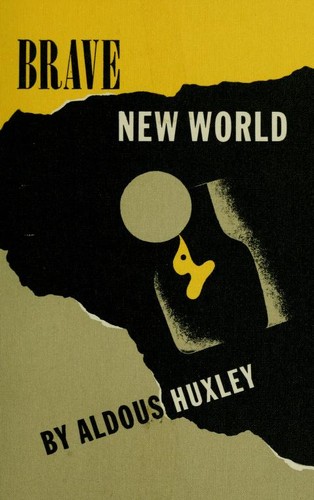
Brave New World
by Aldous Huxley
☆☆☆☆☆
0.0
Buy Options
| Pages | 268 |
| Difficulty Level | Advanced |
| Est. Reading Time | 6.7 hrs |
| Publish Year | 1932 |
🎯
Who Should Read Which?
"1984" is ideal for readers concerned with overt political oppression, surveillance, and the suppression of truth and individuality by an authoritarian state. "Brave New World" appeals to those interested in the more insidious dangers of societal conditioning, consumerism, genetic engineering, and the pursuit of superficial happiness at the cost of genuine human experience and freedom. Both are for readers of dystopian fiction, but their focus on the nature of control differs significantly.
💡
Core Takeaway Comparison
"1984" warns against a future where absolute power corrupts absolutely, leading to a world where truth is malleable, thought is controlled, and individuality is crushed through fear and constant surveillance. Its core takeaway is that external oppression and state-sponsored terror can strip humanity of its essence. "Brave New World" warns against a future where humanity is controlled not by pain, but by pleasure and pacification; a society that sacrifices freedom and deep human connection for stability, comfort, and technological advancement, ultimately leading to a loss of meaning and authentic self.
✍️
Writing Style & Complexity
Orwell's "1984" employs a stark, bleak, and direct prose style, often focusing on the internal torment and psychological degradation of the protagonist. The language is precise, designed to evoke a sense of dread, claustrophobia, and the brutal reality of oppression. Huxley's "Brave New World" features a more intellectual, philosophical, and often satirical style. The prose is rich in detail when describing the mechanisms of its futuristic society and its characters, but can feel more detached and analytical, reflecting the engineered suppression of emotion within its world.
👑
The Final Verdict
If you are looking to confront the immediate, visceral dangers of totalitarianism, state surveillance, and the fight for truth against overwhelming power, read "1984" first. It offers a grim, character-driven exploration of psychological and physical oppression. If you are more intrigued by a cautionary tale about the subtle, almost seductive dangers of technological control, societal conditioning, and the cost of enforced happiness and stability, then "Brave New World" might be a more compelling starting point. Both are essential dystopian classics, but they tackle different facets of control; choose based on whether you prefer a direct struggle against a visible enemy (1984) or a more intellectual critique of an internally oppressive system (Brave New World).